03/09/2026 General News
An antique valuation is a specialist assessment of what an item may be worth in the current market. Condition, originality, rarity, provenance, maker, craftsmanship and recent comparable auction results can all influence that opinion. A valuation is not a guaranteed sale price: competition between bidders, timing and market demand can move the final result above or below an auction estimate.
If you are asking “how much is my antique worth?”, this guide explains what professional valuers examine, the difference between a valuation and an auction estimate, and how to prepare an item for assessment. You can also request a free antique valuation from Hutchinson Scott.
A professional antique valuation combines specialist knowledge with evidence from the current market. A valuer examines the item itself, researches its maker or period, considers condition and provenance, and compares it with relevant results from recent sales. This provides an informed view of value and helps an owner decide whether, when and where to sell.
The strongest valuation is specific to the object and the purpose of the assessment. An auction valuation focuses on likely open-market performance, while insurance and probate valuations may use different bases of value. If the intention is to sell, recent antique auction results and current bidder demand are especially important.
No single feature determines what an antique is worth. Specialists weigh several connected factors before recommending an auction estimate or route to sale. The relative importance of each factor varies by category, but the following six considerations apply to many antiques and collectables.
Original surfaces, components and finishes can be particularly desirable. Damage, replacement parts, excessive cleaning or unsympathetic restoration may reduce value, although a rare or historically important object can remain valuable despite condition issues. Any alterations should be assessed in the context of the item’s age and type.
Scarcity can strengthen demand when collectors actively want the object. Limited production, an unusual design, exceptional size or a seldom-seen subject may distinguish an item from more common examples. Rarity alone is not enough; there must also be a market willing to compete for it.
Documented ownership, exhibition history, original receipts, labels and family records can support authenticity and make an item more compelling. Provenance is especially important when an object is associated with a recognised collection, maker, artist or historical event.
A recognised maker or artist can have a substantial effect on value, but attribution must be supported by signatures, marks, construction and specialist research. Quality of materials, design and execution also matters: an exceptional unsigned object may outperform an ordinary example by a known name.
Collector tastes change. A category that was fashionable ten years ago may perform differently today, while newly researched makers or rediscovered designs can attract fresh interest. A current valuation reflects the buyers active now rather than relying only on an old purchase price or previous valuation.
Recent results for genuinely comparable objects help establish a realistic price range. Specialists compare maker, date, size, materials, subject, condition and provenance rather than relying on a superficial resemblance. The most useful comparisons are recent, well-catalogued and sold in a relevant market.
Real sale results show how quality, rarity, maker, materials and bidder demand combine in the auction room. These three Hutchinson Scott lots represent different collecting fields and demonstrate why a specialist valuation should consider the individual strengths of an object rather than applying a generic price.

A fine and important nineteenth-century French gold and enamel cross pendant necklace. Precious materials, craftsmanship and rarity all contributed to its appeal.
Sold for £17,400
View Lot 279 Result
A fine pair of eighteenth-century carved walnut heraldic greyhound figures. Age, sculptural quality, subject and rarity helped distinguish the pair.
Sold for £14,000
View Lot 992 Result
A gentleman’s 1965 Blancpain Aqua Lung “No Radiation” wristwatch. Maker, model, period, originality and specialist collector demand are key considerations for vintage watches.
Sold for £16,000
View Lot 653 ResultAn antique valuation is an informed opinion of value prepared for a stated purpose. An auction estimate is the price range published in a sale catalogue to guide potential bidders. The estimate is based on specialist research and market evidence, but the final hammer price is determined by bidding on the day.
A realistic estimate can encourage participation by helping buyers understand where bidding may begin and how the auction house views the lot. An inflated estimate may discourage interest, while an estimate that reflects current evidence can attract the right audience and support competitive bidding. The final result may be higher or lower depending on demand, condition, presentation, marketing and the number of committed bidders.
Owners should therefore treat both valuations and estimates as expert guidance, not guarantees. Reviewing relevant recent auction prices is useful, but a specialist still needs to compare like with like.
At Hutchinson Scott, an initial online antique valuation begins with photographs and information supplied by the owner. A specialist can then advise whether the item is suitable for auction and whether closer inspection or additional research is required.
The valuer reviews the object’s type, materials, construction, style, age, maker’s marks, signatures and visible condition. Clear images of the whole item and important details help establish whether specialist research or a physical inspection is needed.
The specialist researches the maker, artist, period and provenance, then compares the item with appropriate recent sales. Differences in quality, dimensions, materials, restoration and market timing are considered before a price range is recommended.
The owner receives guidance on likely value, auction suitability and the most appropriate department or sale. If the item is consigned, the auction house can then catalogue, photograph and market it to relevant collectors.
Good information helps a valuer give more useful initial guidance. Before submitting an item, gather the following:
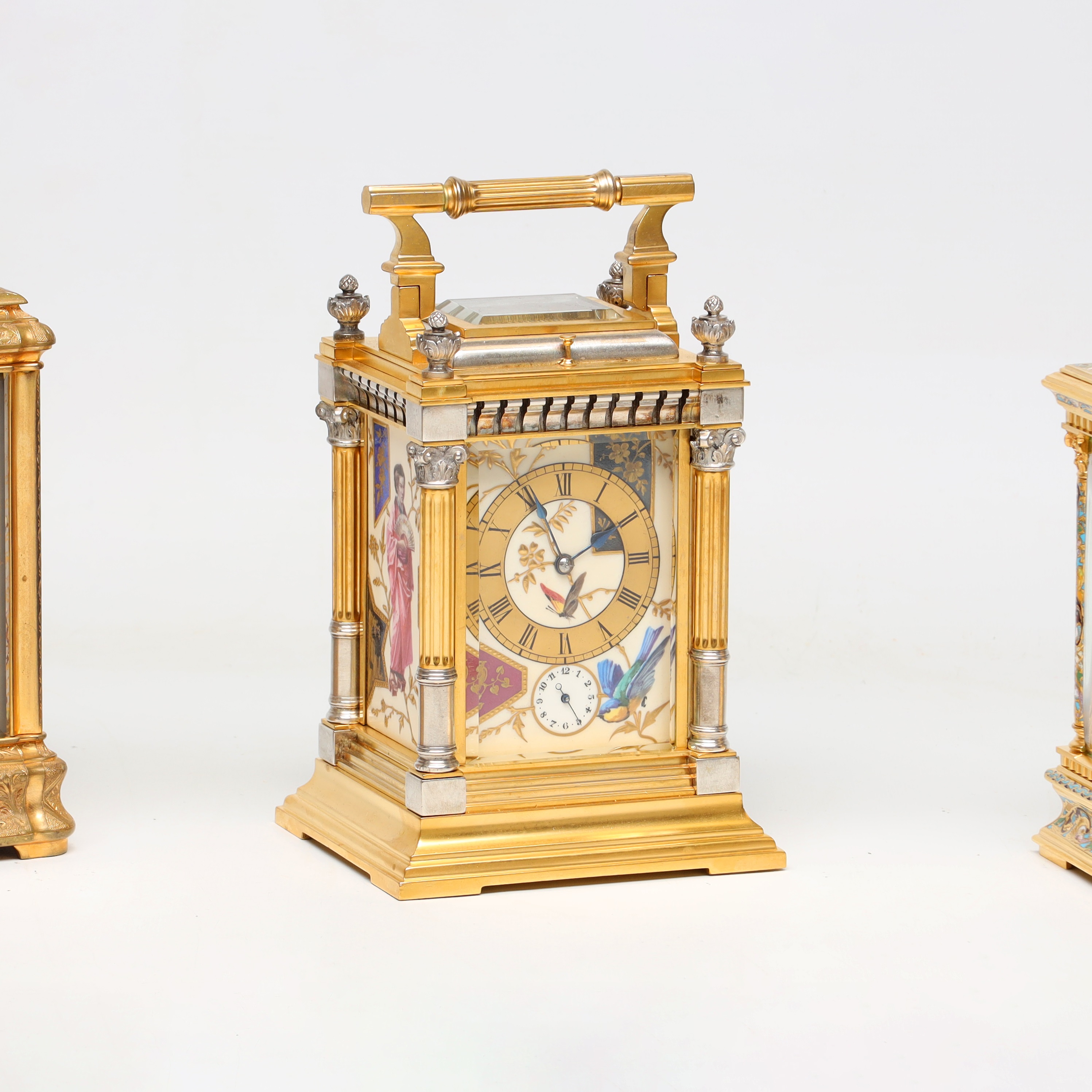
Avoid cleaning, polishing or restoring an antique before taking advice, as original surfaces can be important to collectors. Hutchinson Scott’s specialist departments include areas such as antique clocks and barometers and antique furniture.
Start by sending clear photographs, dimensions, condition details and any known provenance to a reputable auction house or specialist. Hutchinson Scott offers a free online antique valuation service for items that may be suitable for auction.
No. A valuation is an informed opinion prepared for a particular purpose. An auction estimate is a guide range published for bidders when the item is offered for sale. Neither guarantees the final hammer price.
Include photographs of the whole item and close-ups of marks or signatures, together with measurements, condition, restoration, ownership history and any supporting documents. More complete information allows a specialist to give more useful initial advice.
Yes. Extensive or poor-quality restoration can reduce desirability, especially when collectors value original surfaces and components. Sympathetic historic repairs may be viewed differently, so seek specialist advice before cleaning or restoring an item.
A lot may exceed its estimate when several bidders compete, fresh research increases interest, provenance strengthens confidence or the object is rarer than expected. International exposure and effective marketing can also broaden the pool of potential buyers.
No. A professional valuation is evidence-based guidance. The final auction price depends on bidder demand, market timing, presentation and competition during the sale, and it may be above or below the published estimate.
Hutchinson Scott provides complimentary initial valuations for antiques and collectables that may be suitable for auction. Submit photographs and details through the online form, or contact the valuation team if you would like to discuss a single item, a collection or the contents of a property. You can also review our selling information to understand the next steps from valuation to auction.