10/02/2026 General News
A brief history of timepieces begins with the portable, spring-driven “clock-watches” that originated in the 16th century, developed by the pioneer Peter Henlein. These were often worn as pendants but were very inaccurate. During the 17th century, pocket watches were the latest status symbol in the clock world. Often seen as a way to flaunt wealth, pocket watches were smaller, more precise timekeepers. Wristwatches were first introduced for women as a form of jewellery in the 17th century, and their military necessity during WWI made them popular with men. Moving towards the end of the 17th century, there were advances in improvements in the precision of timepieces. The minute hand was added, then the hairspring, which massively improved accuracy. The invention of marine chronometers was a crucial tool for navigation at sea.
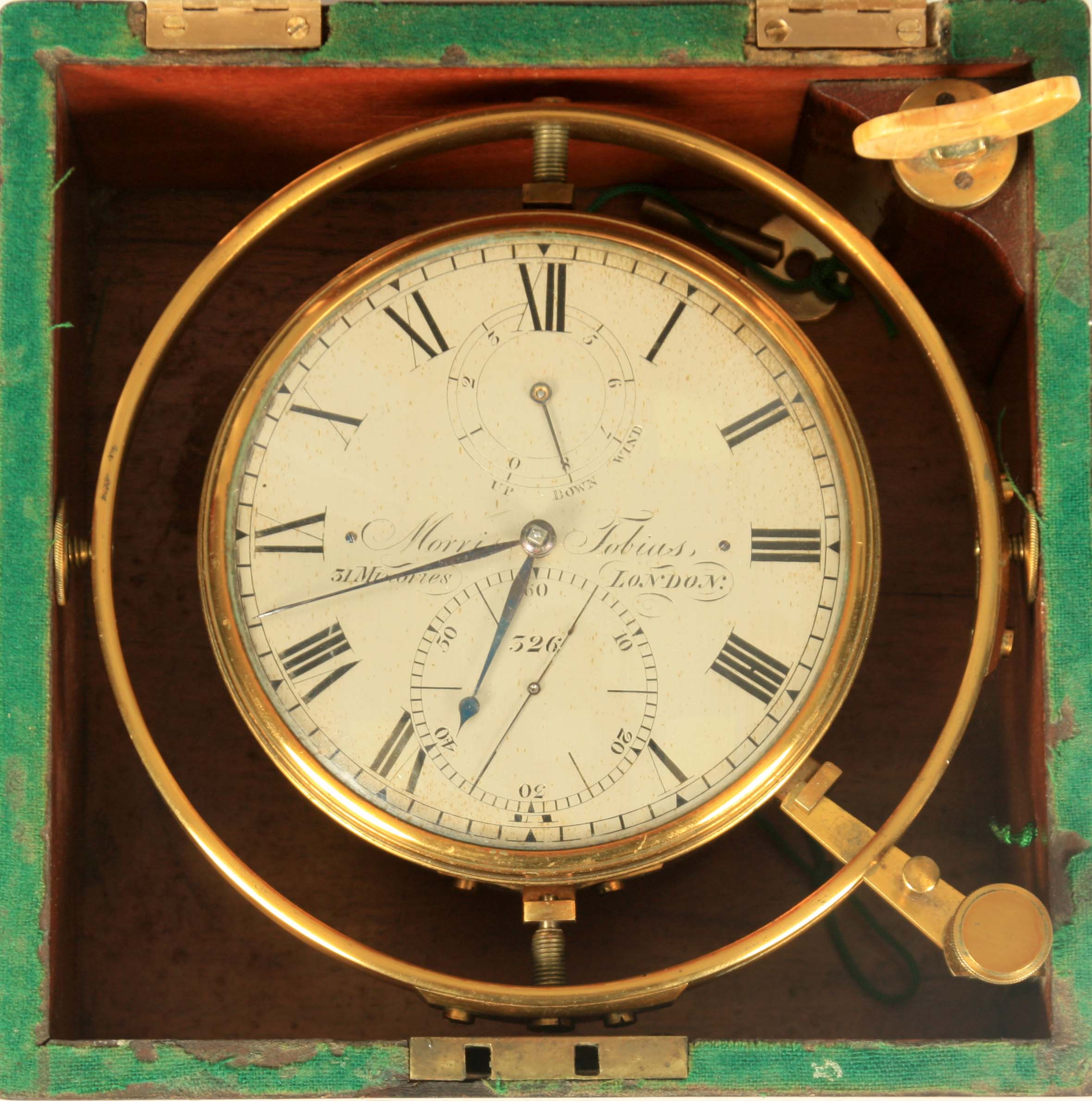
MORRIS TOBIAS. 31 MINORIES, LONDON. NO. 326. AN EARLY 19TH CENTURY EIGHT DAY MARINE CHRONOMETER WITH ORIGINAL PADDED GUARD BOX. SOLD IN THE WINTER COUNTRY HOUSE CATALOGUE SALE MARCH 2021, FOR £7,400.
Mass production started to boom towards the end of the 19th century. This made pocket watches more affordable and accessible. A turning point struck in the 20th century, with pocket watches falling out of favour for soldiers in WWI. The impracticality of pocket watches was shown in full force as the wristwatch became standard issue for soldiers by 1917. Further into the 20th century saw the inventions of quartz movements and dive watches, as well as automatic winding watches. Atomic clocks were invented, which measure the vibrations of atoms. How does this impact your life today? Your internet, global banking and GPS all rely on the nanosecond precision of atomic clocks. If these clocks went out of sync for a single second, our entire modern infrastructure would fail.
Known as the “Father of English Clockmaking” Thomas Tompion (1639-1713) was a horologist known for his groundbreaking work in creating high value clocks to a high level of design.
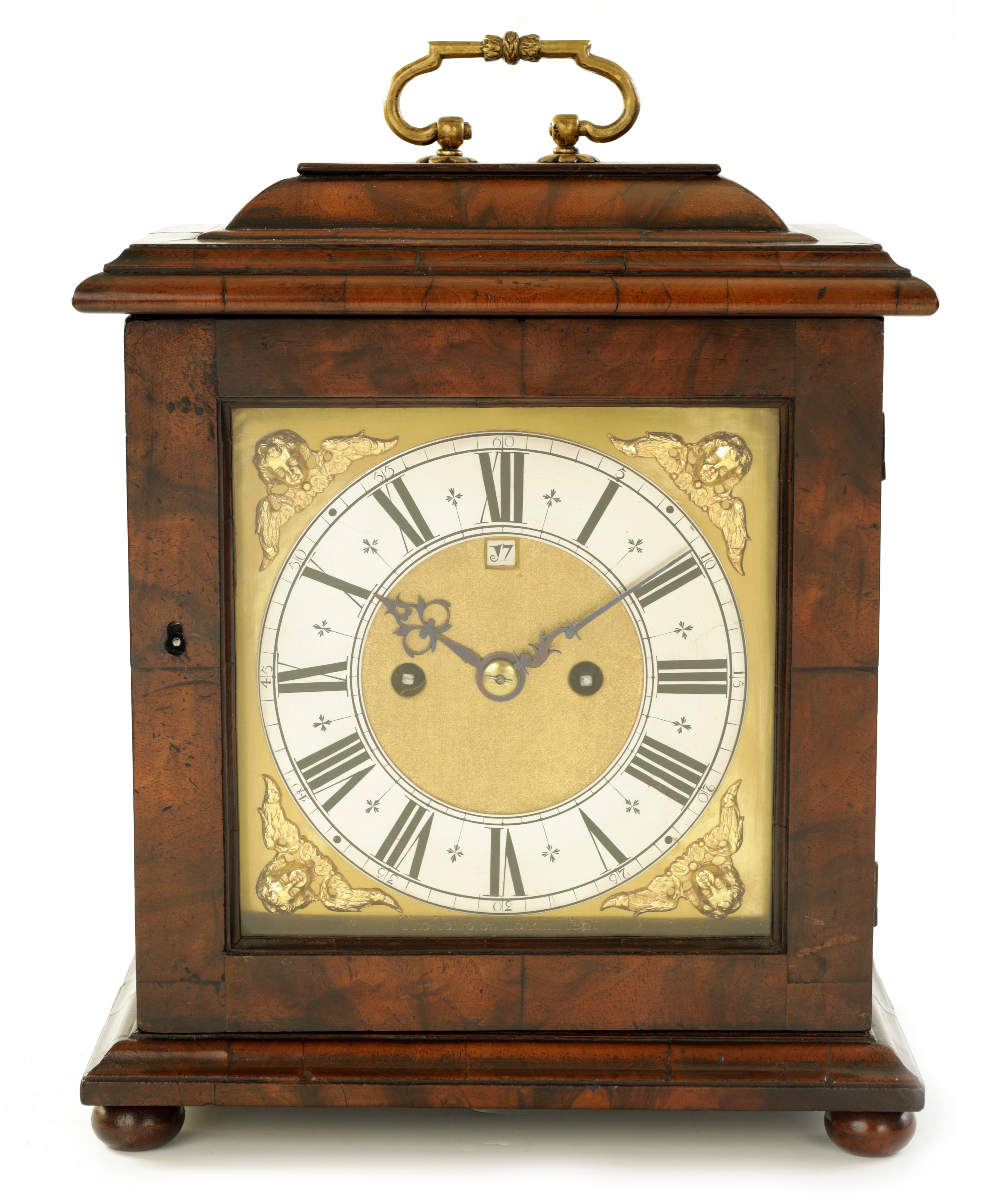
THOMAS TOMPION, LONDINI. AN IMPORTANT AND RARE PRE NUMBERED CHARLES II FIGURED WALNUT DUTCH STRIKING BRACKET CLOCK. SOLD IN THE FINE CLOCK SALE JANUARY 2022.
Vastly considered as one of the most gifted watchmakers ever, the curator of the tourbillon, Abraham-Louis Breguet (1747-1823). Who created a mechanism which compensates for the effects of gravity on a watch's precision.
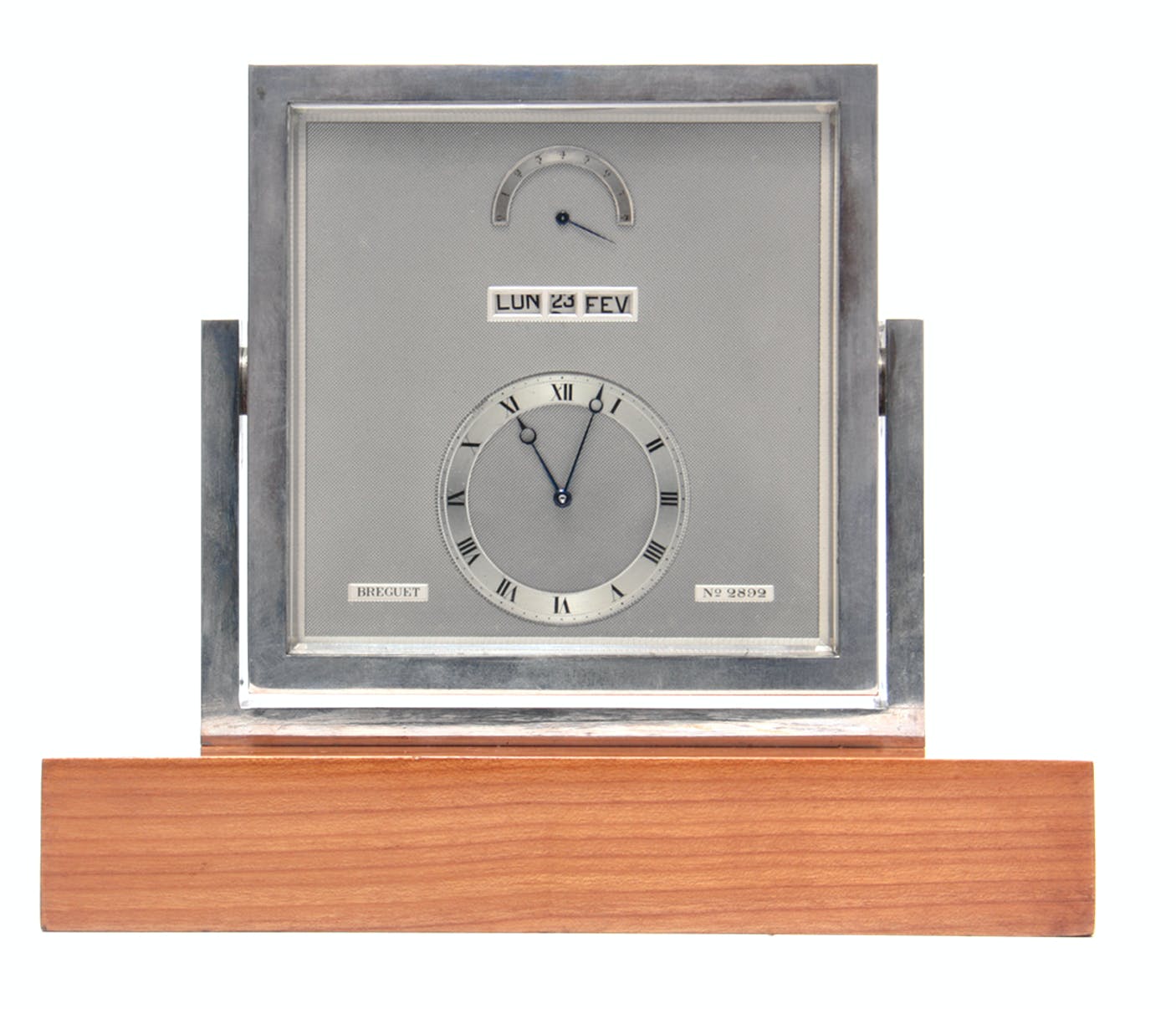
BREGUET, No. 2892. A FINE 1930's SILVER PERPETUAL CALENDAR EIGHT-DAY DESK CLOCK. SOLD IN THE AUTUMN CATALOGUE SALE SEPTEMBER 2019, FOR £19,000.
Companies and brands helped supply the demand for Timepieces. Contributing significant advancements to the accuracy of timepieces. Known widely as one of the most prestigious Swiss watchmakers, founded in 1839, Patek Philippe created timeless designs of great complications, such as the Nautilus, which fetch high values at auction. One of the most globally recognised brands, Rolex (1905), is known for its pioneering invention of the waterproof wristwatch. As well as the Perpetual rotor, a self winding movement. Other brands like Cartier played important roles in the history of watchmaking. The Parisian jewellers introduced one of the first modern wristwatches for men.
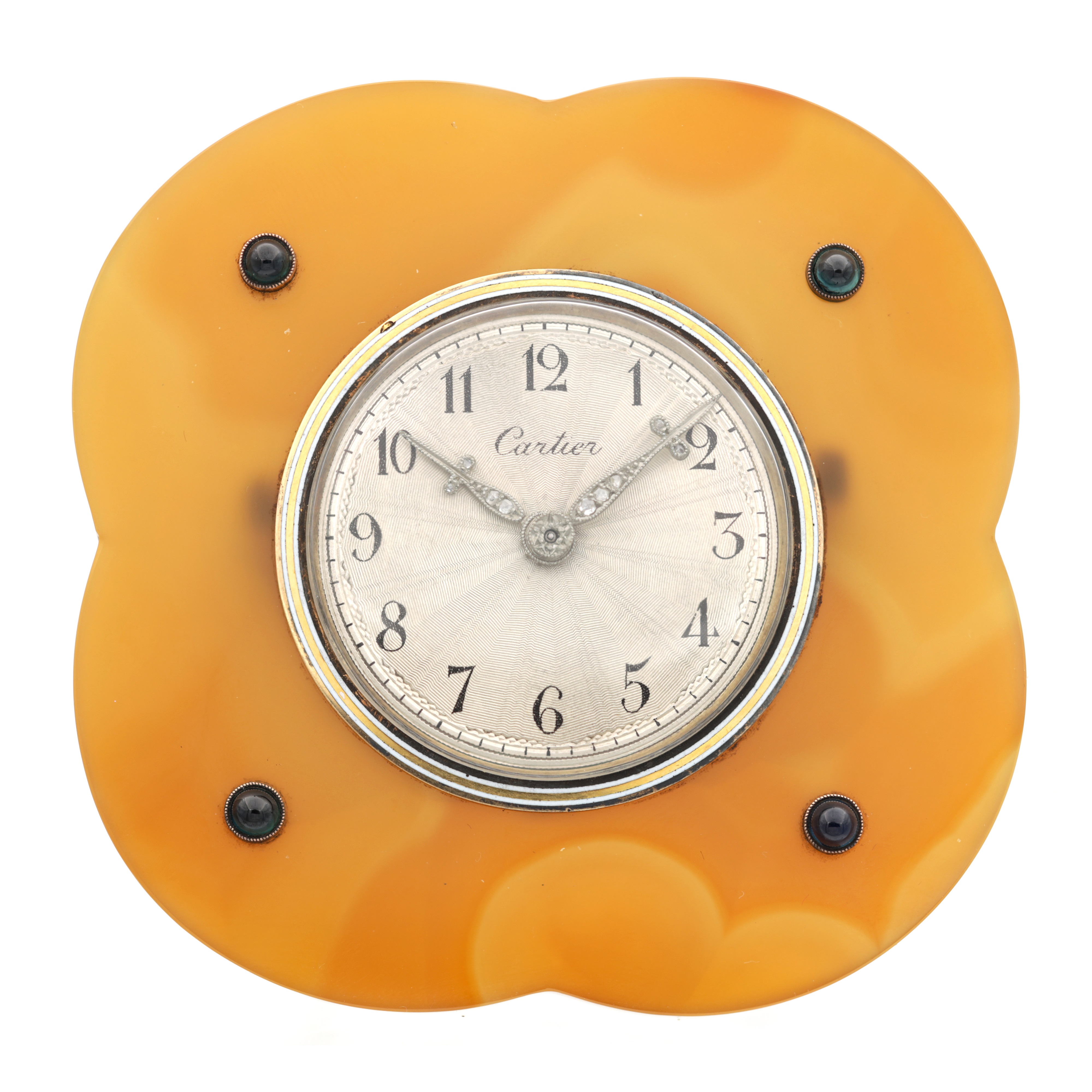
A RARE ART DECO AGATE, SAPPHIRE AND DIAMOND CARTIER STRUT CLOCK. SOLD IN THE WINTER FINE INTERIORS AUCTION JANUARY 2026, FOR £4,000.
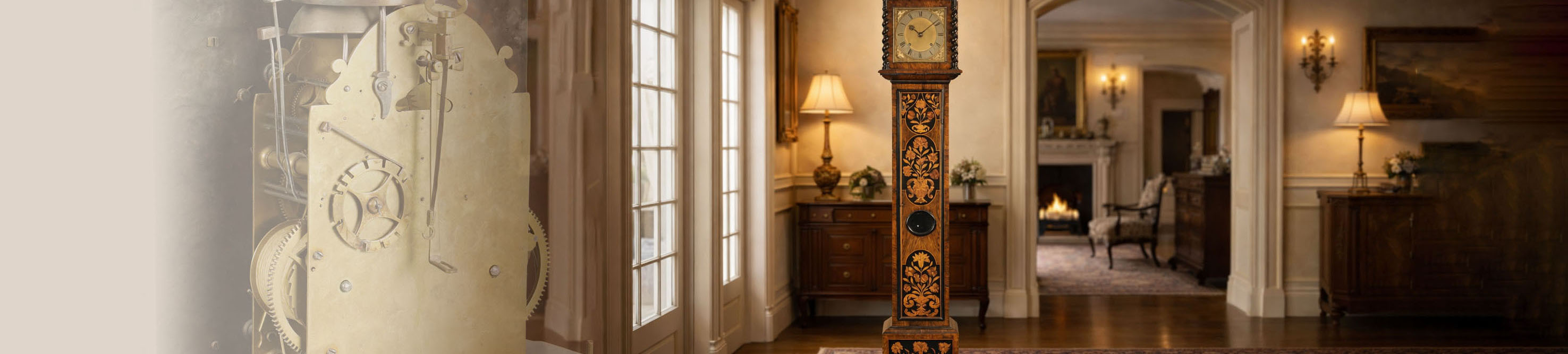
After formerly serving as a royal clockmaker, Joseph Knibb is regarded as one of the most distinguished English Clockmakers of all time. His development of escapements, roman striking and the “feminine” delicacy of his clocks defined Joseph Knibb as a prolific inventor. His clocks are highly sought after by collectors, commanding significant auction prices. There are approximately less than 500 clocks by Joseph Knibb known to exist. A Joseph Knibb recently sold at Hutchinson Scott Auctioneers in Skipton.
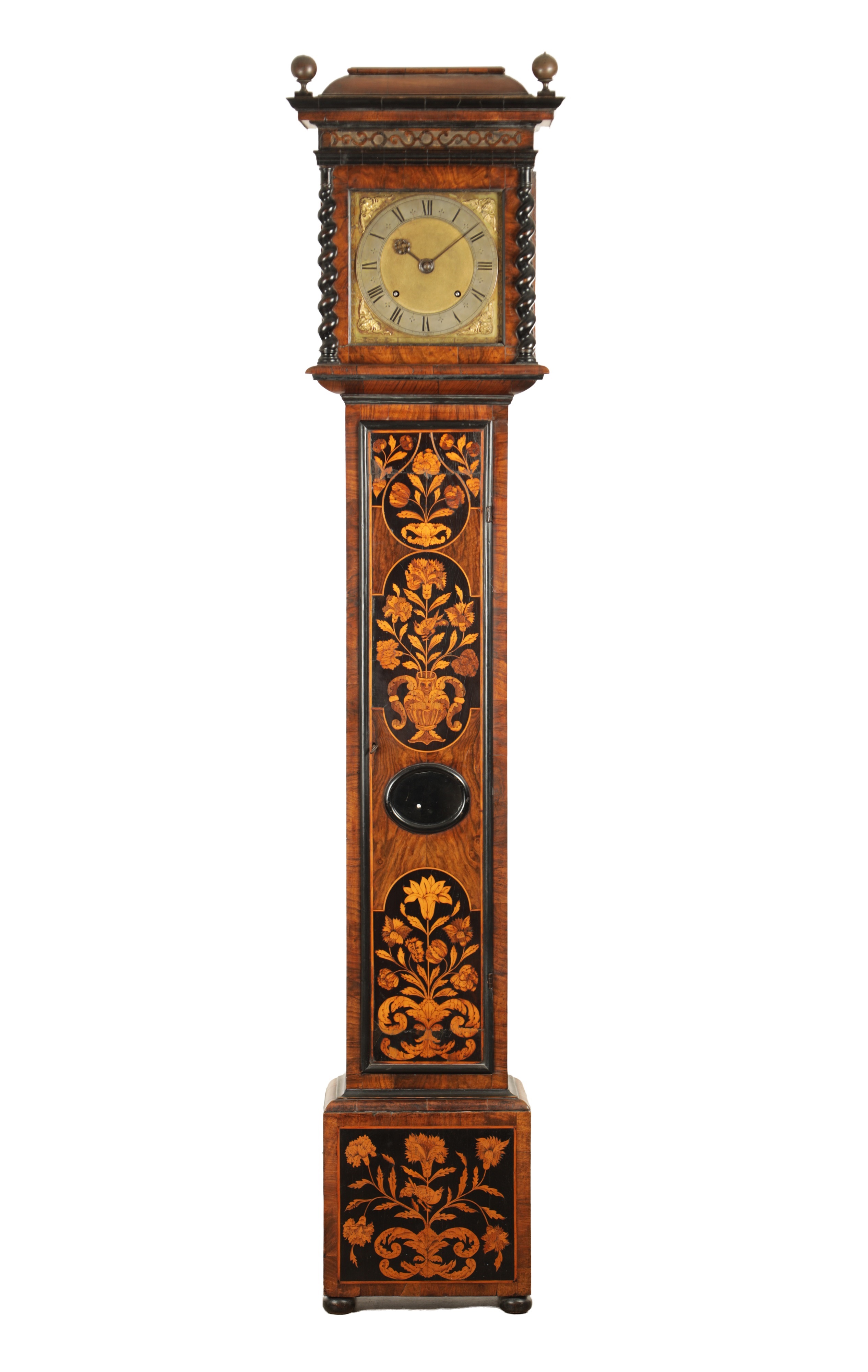
JOSEPH KNIBB, LONDINI FECIT. A VERY RARE THREE-MONTH DURATION WALNUT MARQUETRY LONGCASE CLOCK. SOLD IN THE WINTER FINE INTERIORS JANUARY 2026, FOR £90,000.
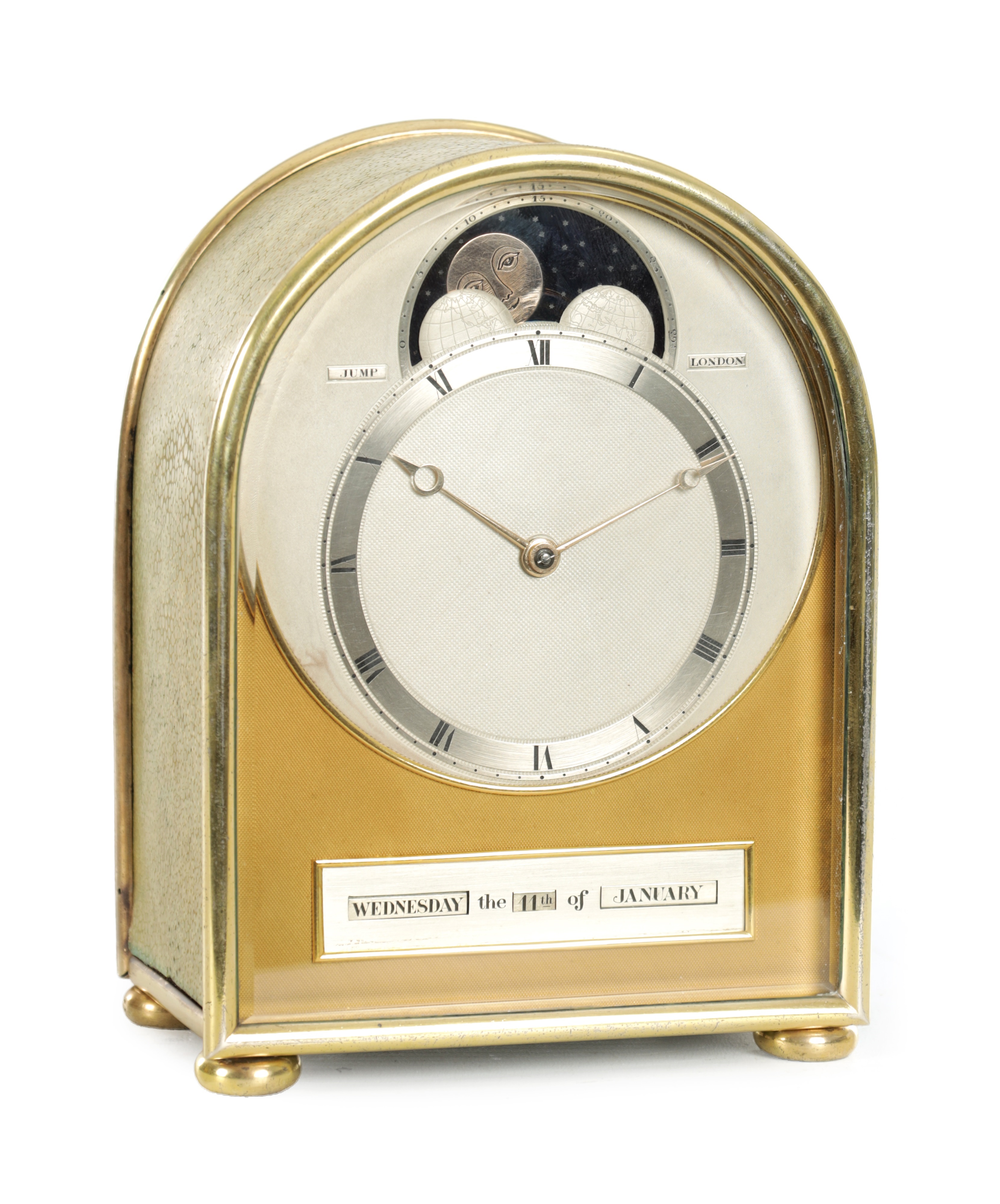
JUMP, LONDON. A RARE AND FINE LATE 19TH CENTURY ENGLISH SILVER MOUNTED SHAGREEN HUMPBACK FUSEE CARRIAGE CLOCK. SOLD IN THE WINTER FINE INTERIORS AUCTION JANUARY 2026, FOR £46,000.
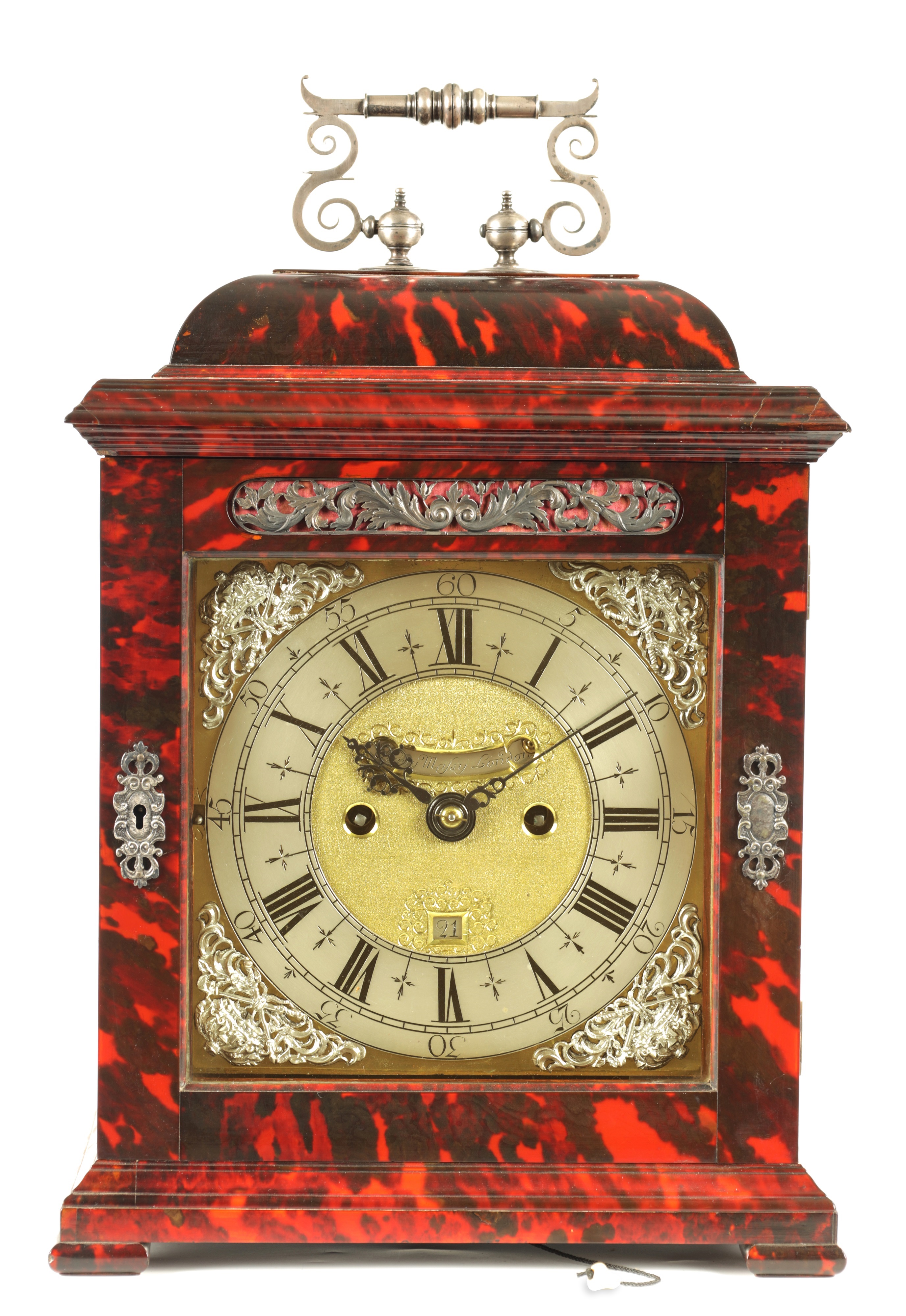
HENRY MASSY, LONDON. A VERY FINE AND RARE QUEEN ANNE SILVER MOUNTED TORTOISESHELL VENEERED BRACKET CLOCK. SOLD IN THE FINE CLOCK SALE JANUARY 2022, FOR £34,000.
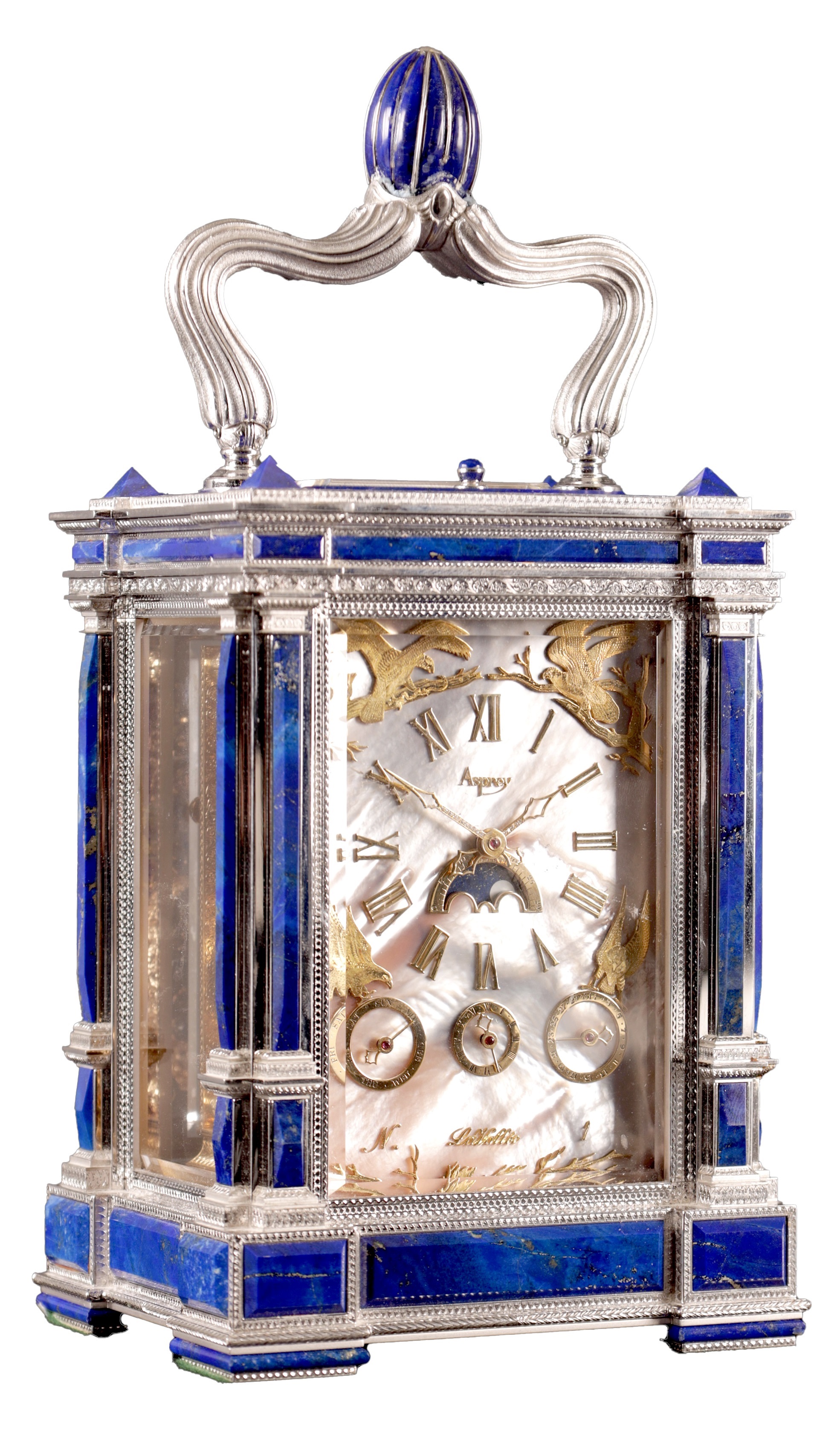
A FINE LIMITED EDITION GIANT SOLID SILVER AND LAPIS LAZULI GRAND SONNERIE CARRIAGE CLOCK MADE FOR ASPREY. SOLD IN THE SPRING FINE INTERIORS AUCTION APRIL 2025, FOR £26,000.
Whenever you choose to sell antiques with Hutchinson Scott, the lot will automatically be entered into online auctions as well as the in-person auctions. We aim to make the selling process as hassle-free as possible, offering a free online valuation service and arranging the collection of your items if required.
When buying items at one of our auctions, participating online is quick and easy, thanks to advanced online bidding technology. Antique buyers can join in with the excitement of a live sale from the comfort of their own homes, using secure platforms. Live bidding is available via the-saleroom.com with a 5% + VAT surcharge, invaluable.com with a 5% surcharge, easyliveauction.com for a £3 flat rate, and liveauctioneers.com with a 5% surcharge.
To benefit from lower fees, buyers can also bid directly via the Hutchinson Scott website, with only a 3% surcharge. The process is designed to be straightforward for both new and experienced buyers. View the online auction catalogue, register as a bidder, and participate in real time as the sale progresses. We also offer in-house shipping for every auction item, giving both buyers and sellers peace of mind.
Our biggest advice for buyers is to simply buy what you like. If it is or isn’t the big name brands and well known horologists, stick with the style and mechanical intuition you like. The appeal of timepieces can stem from an endless array of features. Originality is very important, made even more apparent by the need to source from reliable sources. A trusted auction house can provide the provenance of the timepiece you are looking to buy. So you have that reassurance and know exactly where it has come from. Trusted auction houses are more than happy to speak with buyers about various timepieces. So don’t hesitate to get in touch. Horology can be an addictive hobby, so try not to lose track of the time!