20/08/2026 General News
Antique clocks are highly collectable items, valued not only for their functionality but also for their craftsmanship, history, and decorative appeal. Whether you own a longcase clock, mantel clock, or carriage clock, understanding its value is essential before considering a sale. Prices can vary significantly depending on different factors, and professional antique clock valuations provide clarity on where a piece sits in the current market.
During a valuation, many aspects are carefully assessed to determine your clock’s true value, including its condition, maker, age, and market demand. By understanding what influences value, sellers can make informed decisions and approach the process with confidence. We discuss what antique clock valuations involve, the key factors that influence price, and how to achieve the best possible result when selling.
An antique clock valuation is a detailed process carried out by experienced specialists to determine a clock’s current market value. This involves examining both the physical and historical aspects of the piece, as well as considering demand within the wider antiques market. Valuers use their expertise, alongside knowledge of recent sales and trends, to provide an accurate and realistic assessment. During a valuation, attention is given to the clock’s construction, movement, materials, and overall condition.
Any identifying features, such as maker’s marks or signatures, are carefully analysed to establish authenticity and origin. The aim is to build a complete understanding of the clock so that it can be positioned effectively for sale at auction. At Hutchinson Scott, we offer complimentary antique clock valuations, with specialists providing clear, professional guidance to help you understand a clock’s value and potential within the current market.
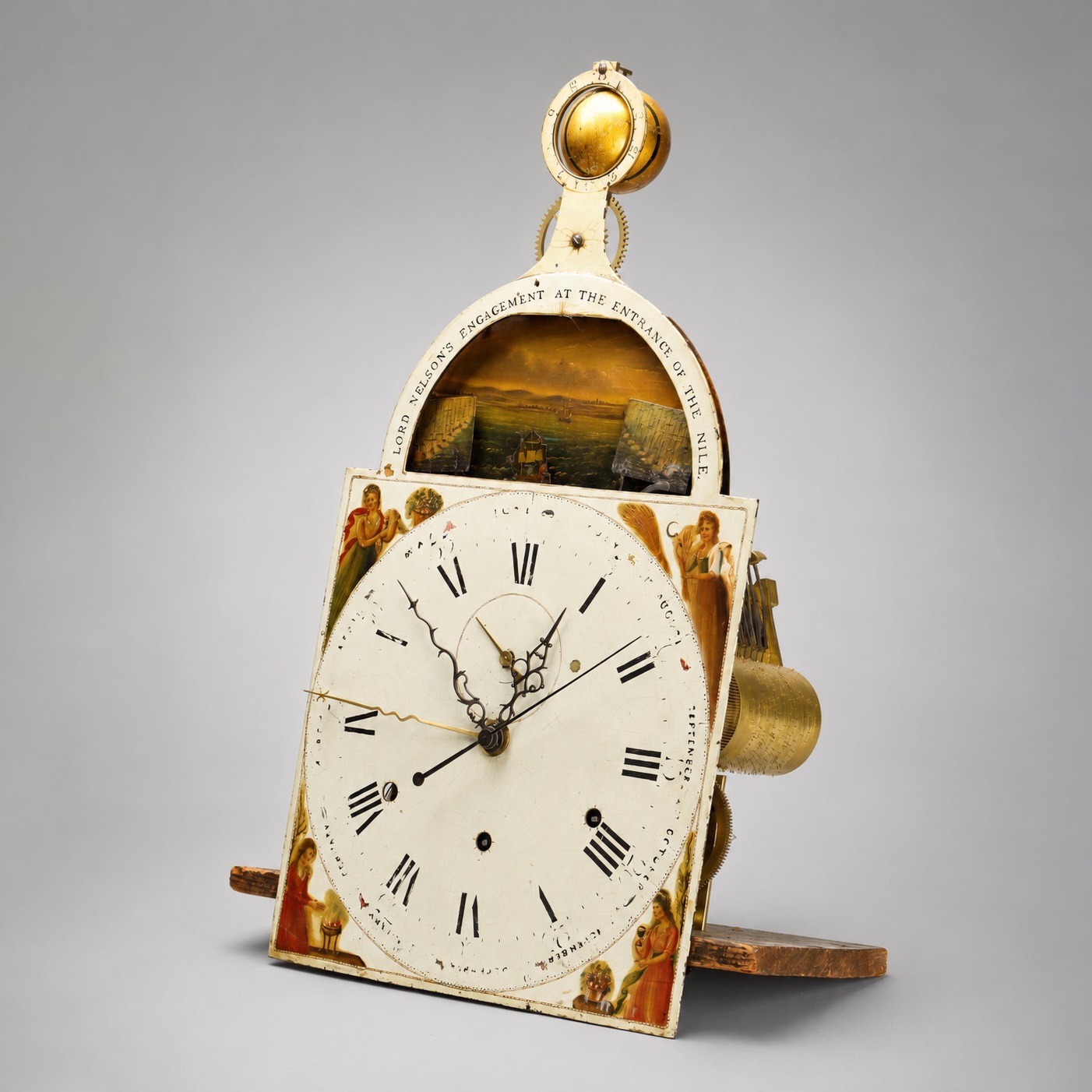
Sold for £25,000
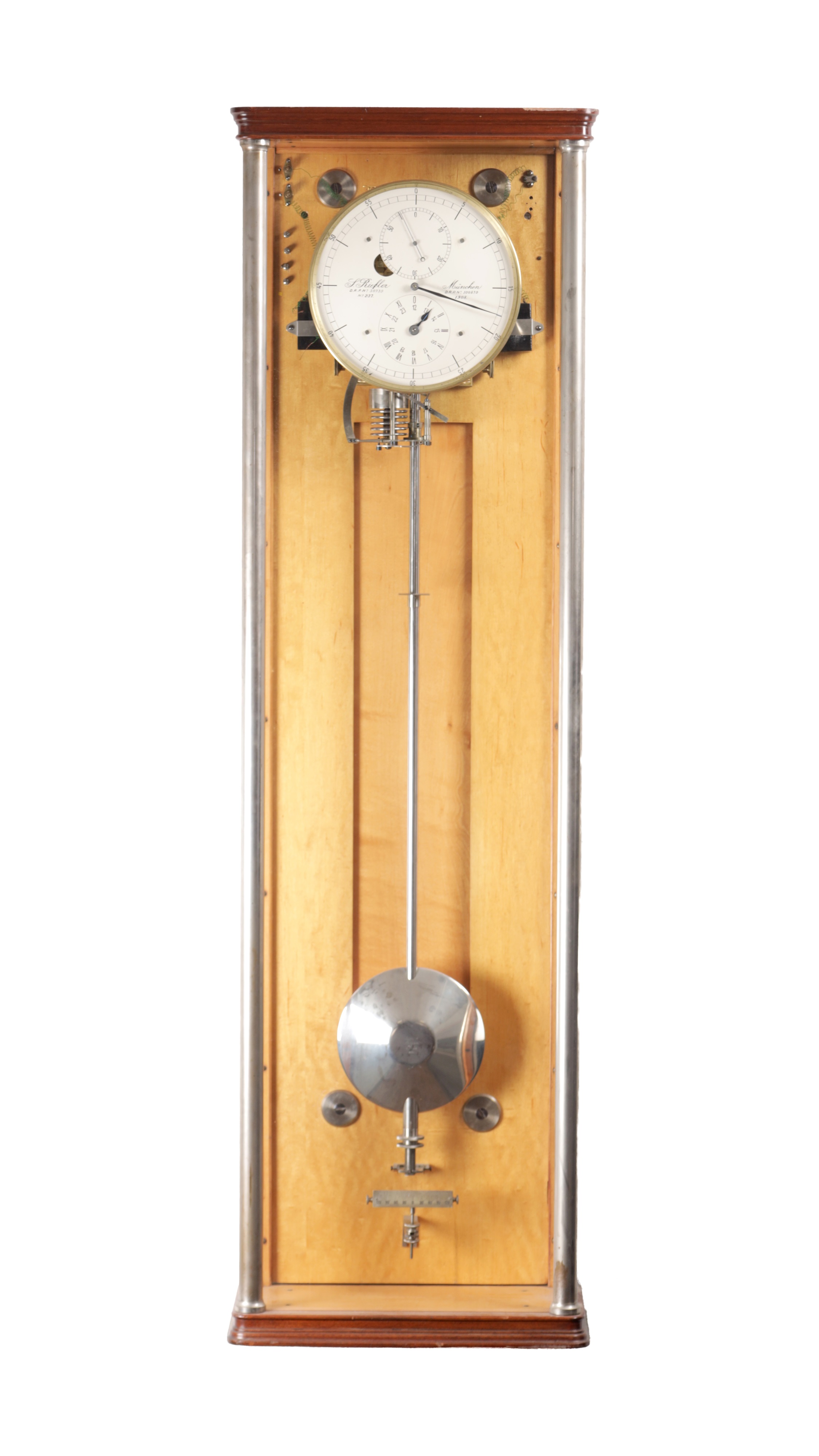
The condition of an antique clock is one of the most important factors affecting its value. Valuers examine both the exterior case and internal movement for signs of wear, damage, or repair. Original components in good working order are highly desirable. While minor age-related wear is expected, significant damage or non-original parts can reduce value and buyer interest.
The maker of a clock can significantly influence its desirability and price. Clocks produced by well-known makers or workshops often command higher values due to their reputation for quality and craftsmanship. Valuers will look for signatures, engravings, or maker’s marks to confirm origin. Clocks associated with recognised British or European makers are particularly attractive to collectors.
Rarity plays a key role in determining value, as collectors are often drawn to pieces that are not widely available. Limited production numbers, unusual designs, or clocks from specific historical periods can all increase rarity. When a clock is considered rare, it is more likely to generate competitive interest at auction and achieve a higher final price.
Provenance refers to the documented history of a clock, including previous ownership and historical significance. Clocks with a clear and traceable background are more appealing to buyers, as provenance helps confirm authenticity and adds depth to the piece. Items linked to notable individuals or collections may attract stronger interest and higher bids.
Market demand can also influence how much an antique clock is worth at any given time. Trends within the antiques market, interior design preferences, and collector interest all play a role. Certain styles, such as longcase or bracket clocks, may experience periods of higher demand. Valuers assess current market conditions to determine realistic pricing expectations.
Obtaining a professional valuation is a key step for anyone considering selling an antique clock. It provides a clear and accurate understanding of a clock’s current market value, helping sellers avoid undervaluing or overpricing an item. Without expert guidance, it can be difficult to assess how factors such as condition, maker, and demand interact to influence price. A professional valuation ensures that all relevant elements are carefully considered.
Valuations also play a crucial role in building buyer confidence. When a clock is supported by an expert assessment, it reassures potential buyers that the item has been accurately described and fairly priced. This can encourage stronger interest and more competitive bidding at auction. In addition, valuations help sellers make informed decisions about whether to proceed with a sale and how best to position their clock within the market.
If you are planning to sell an antique clock, taking the right steps beforehand can help maximise its value. Presentation, documentation, and timing all play an important role in attracting serious buyers and achieving a strong sale result. By preparing a clock carefully and understanding what collectors are looking for, it can significantly improve its appeal at auction.
Ensuring the clock is in the best possible condition can positively influence its value. This includes keeping the case clean, ensuring the movement functions correctly, and avoiding unnecessary repairs that may alter the original features. If restoration is required, it should always be carried out by a professional specialist to preserve authenticity and maintain buyer confidence.
Gathering any available documentation can enhance a clock’s desirability. This may include receipts, previous valuations, service records, or information about past ownership. Clear documentation helps establish provenance and provides reassurance to buyers. A well-documented clock is often more appealing and can achieve a stronger price at auction.
Choosing a reputable auction house, such as Hutchinson Scott, is key to achieving the best result. Experienced specialists understand how to market antique clocks effectively and reach the right collector audience. They can also provide accurate estimates, professional presentation, and strategic timing to maximise interest. A well-managed auction increases the likelihood of competitive bidding and a successful sale.

Lot 91 - HENRICUS HARPUR, LONDINI. A VERY EARLY CHARLES II EBONY VENEERED BASKET TOP TABLE CLOCK
Sold for £14,000

Lot 644 - THOMAS MUDGE & WILLIAM DUTTON, LONDON A RARE LATE 18TH CENTURY BLACK LACQUER CHINOISERIE DECORATED DROP DIAL WALL CLOCK
Sold for £14,200

Lot 78 - HENRY MASSY, LONDON. A VERY FINE AND RARE QUEEN ANNE SILVER MOUNTED TORTOISESHELL VENEERED BRACKET CLOCK
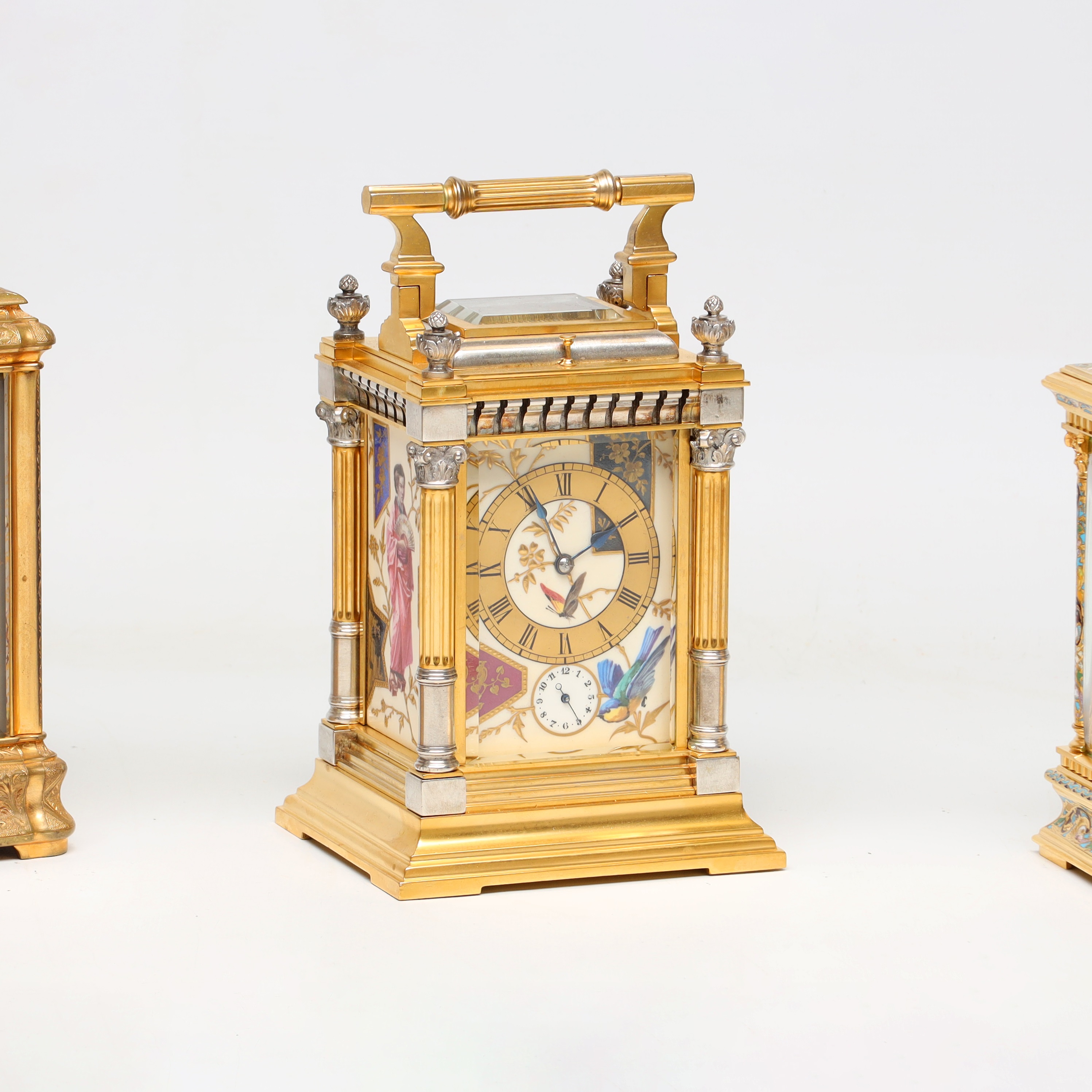
Sold for £34,000
At Hutchinson Scott, a North Yorkshire auction house, we offer professional antique clock valuations carried out by specialists with extensive knowledge of the antiques market.
We offer complimentary valuations, making it simple to understand the clock's true market value. Every aspect of the antique clock is carefully assessed by our valuation team, from condition and craftsmanship to provenance and current demand, providing an accurate and reliable valuation.
Should you decide to sell, we can manage the whole process at the auction house, from valuation and cataloguing to marketing and final sale. To get started, complete the online valuation form with images and details of your clock. If you have any further questions, get in touch today.