13/08/2026 General News
Attending an auction house is one of the ideal ways to find one-of-a-kind antiques with rich histories. Whether you’re an antique enthusiast or looking for some unique items to buy, an auction provides the chance to explore an ever-changing collection of treasures. It doesn’t matter whether it’s your first time bidding either; each upcoming auction provides an opportunity to uncover rare and unusual pieces. As you browse the lots and take in the fast-paced atmosphere, you experience what makes auctions so special. In this post, we have put together some useful tips for spotting rare finds at auction.
The opportunity to discover truly rare items is what makes every auction experience, and lots of collectors look to invest in antiques that few others will ever own. Rarity is about more than simply how old an item is. While age can play a part, the real value lies in the scarcity of a piece. Whether it’s items produced in limited numbers, discontinued entirely, crafted by renowned makers or have survived while others have been lost or damaged, they will often be more desirable and valuable than mass-produced antiques.
Unique features can also enhance rarity, from a material that’s no longer used to a one-off detail that sets the piece apart from others. Similarly, provenance has a role to play. An object’s ownership history, especially if it’s linked to famous names, historic events or important collections, can turn an ordinary antique into something extraordinary. Some items, despite their age or rarity, can even become highly desirable due to shifts in collector tastes and changing trends, so paying attention to current demand is just as important.
Before visiting an antique auction house in Yorkshire, some preparation is key to spotting something special and winning rare finds:
Every reputable auction house will publish a catalogue ahead of an upcoming sale, allowing you to view the lots. These catalogues provide detailed information, allowing you to see photos and read descriptions of items in advance. Take your time to carefully browse lots, making note of specific categories, makers or styles of items that catch your interest. Doing this in advance will help ensure you don’t overlook any promising pieces on auction day.
After spotting items of interest in the catalogue, do some research into the backgrounds of the artists or manufacturers. Sometimes an unfamiliar name hides true value; certain artists or makers may have a growing following, or their work may be underappreciated in the current market. Use search engines, reference books and auction databases to get the information needed to determine which pieces stand out from the rest.
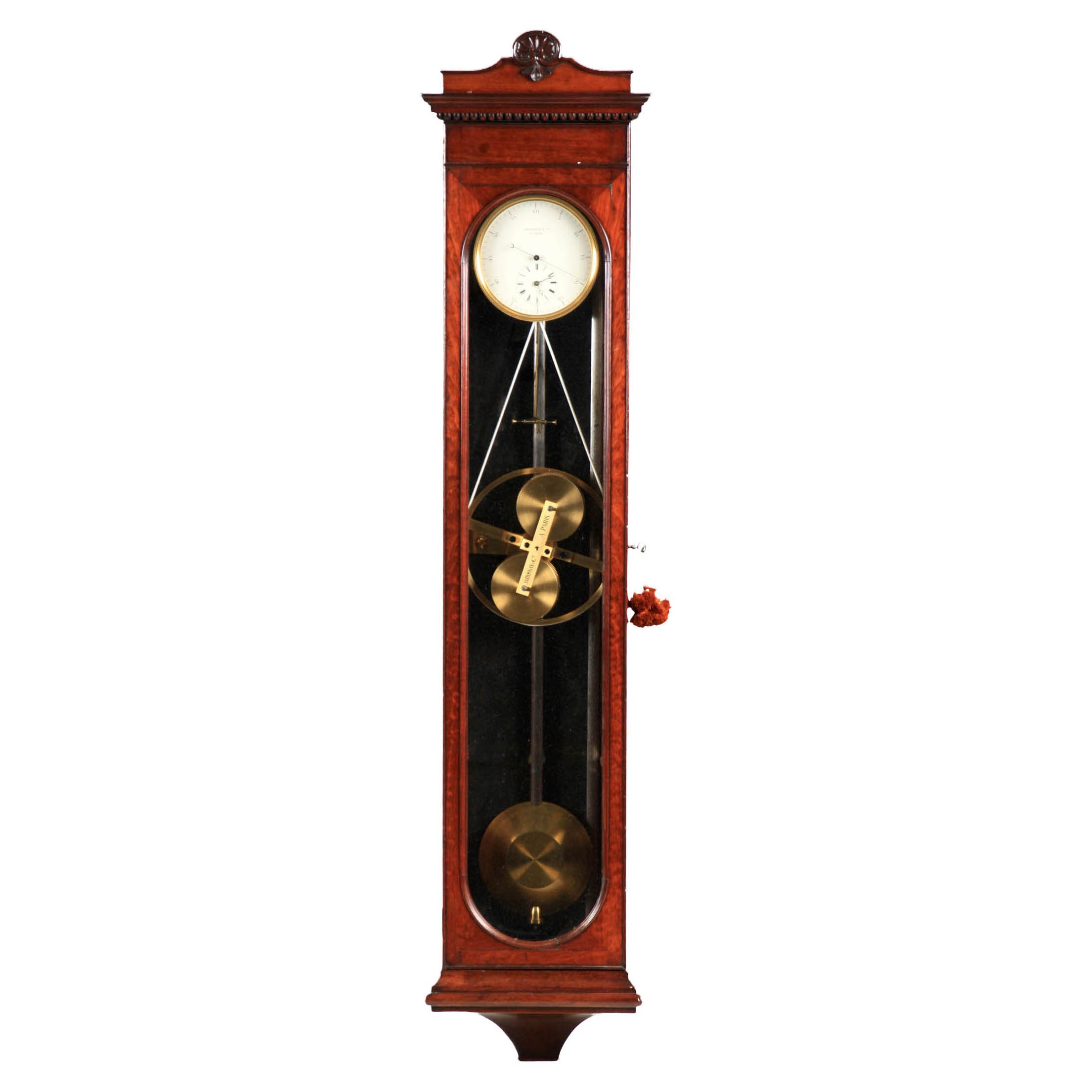
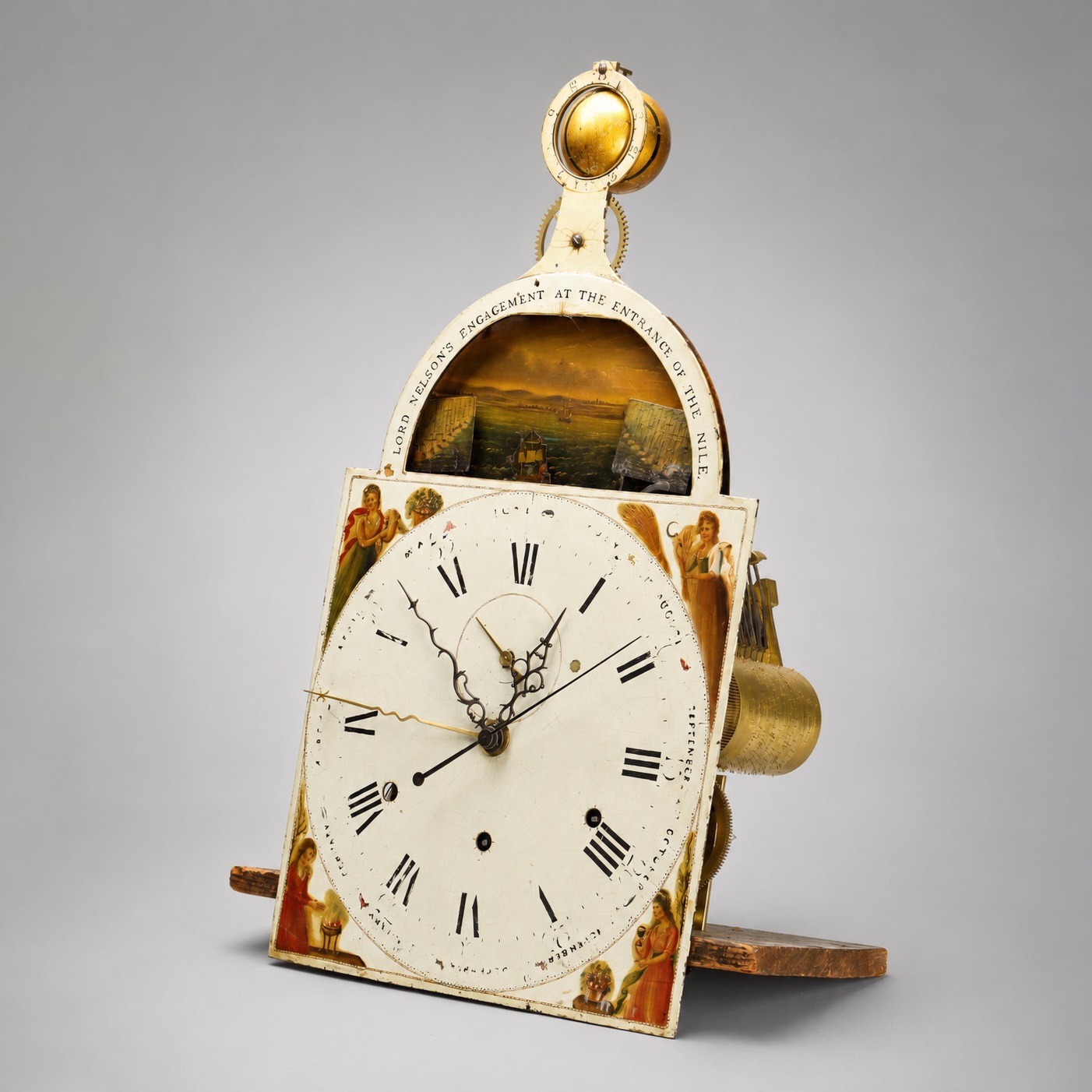
Sold in the Fine Art and Antiques Spring Catalogue Sale May 2021, for £19,600.

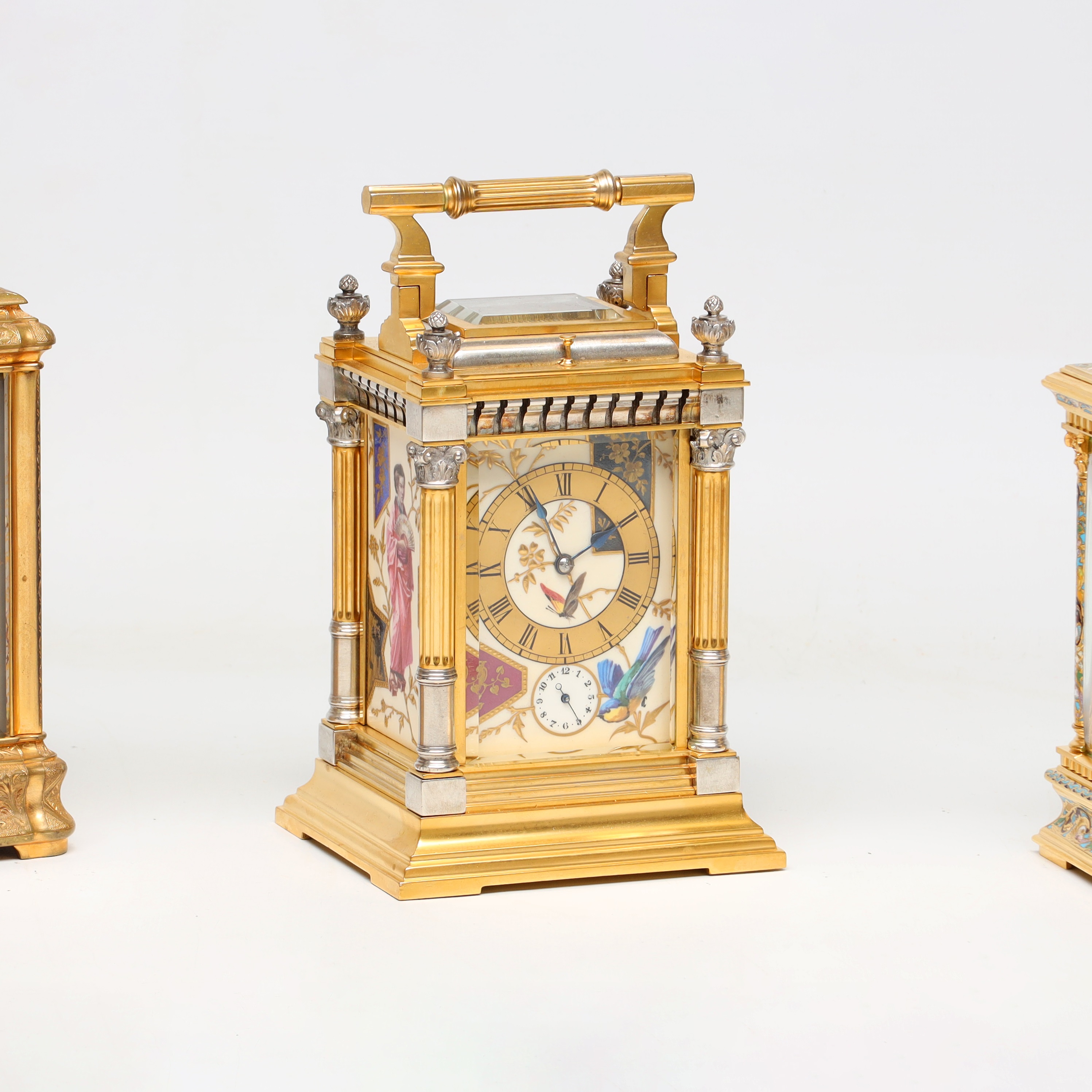
Sold in the New Year Catalogue Sale January 2020, for £30,000.
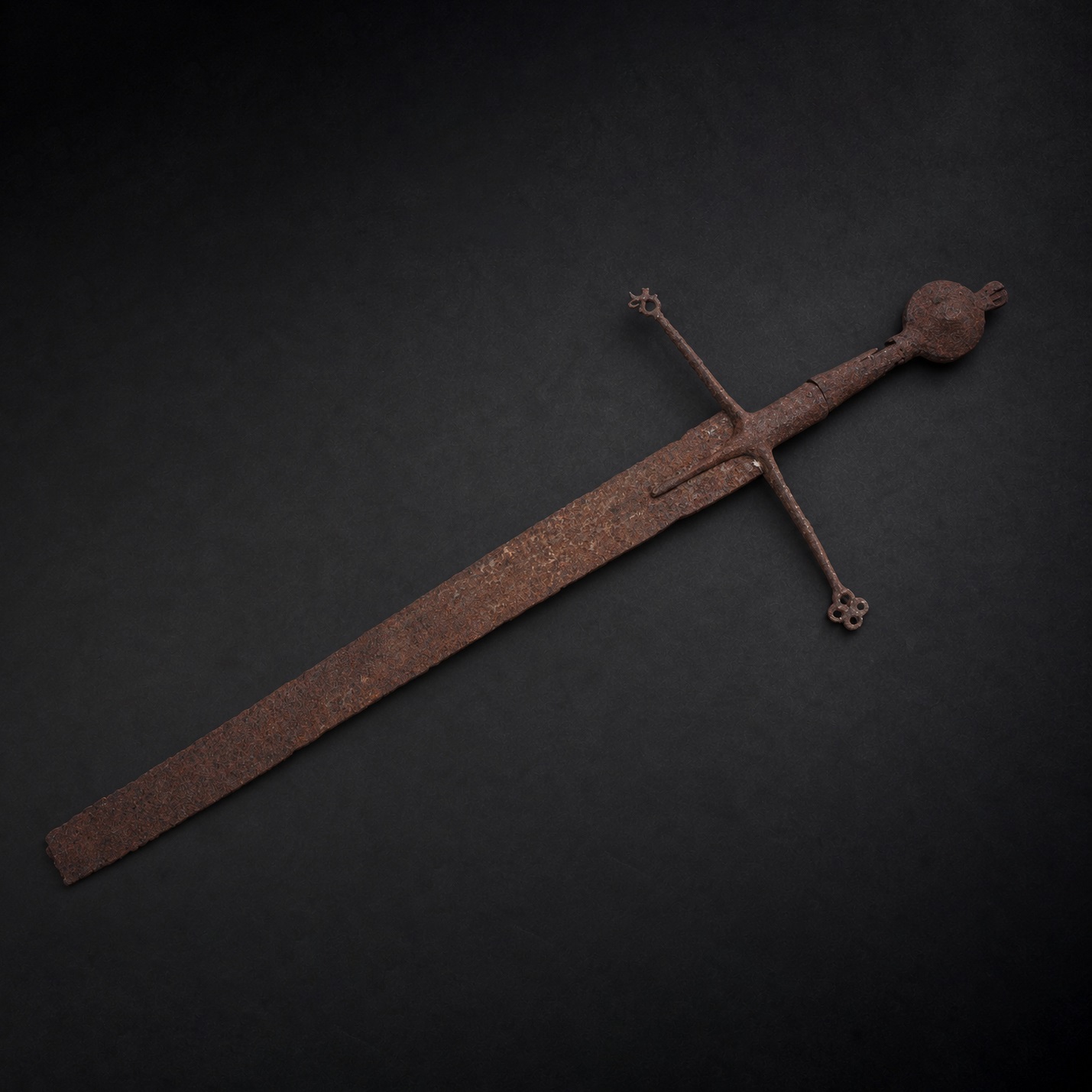
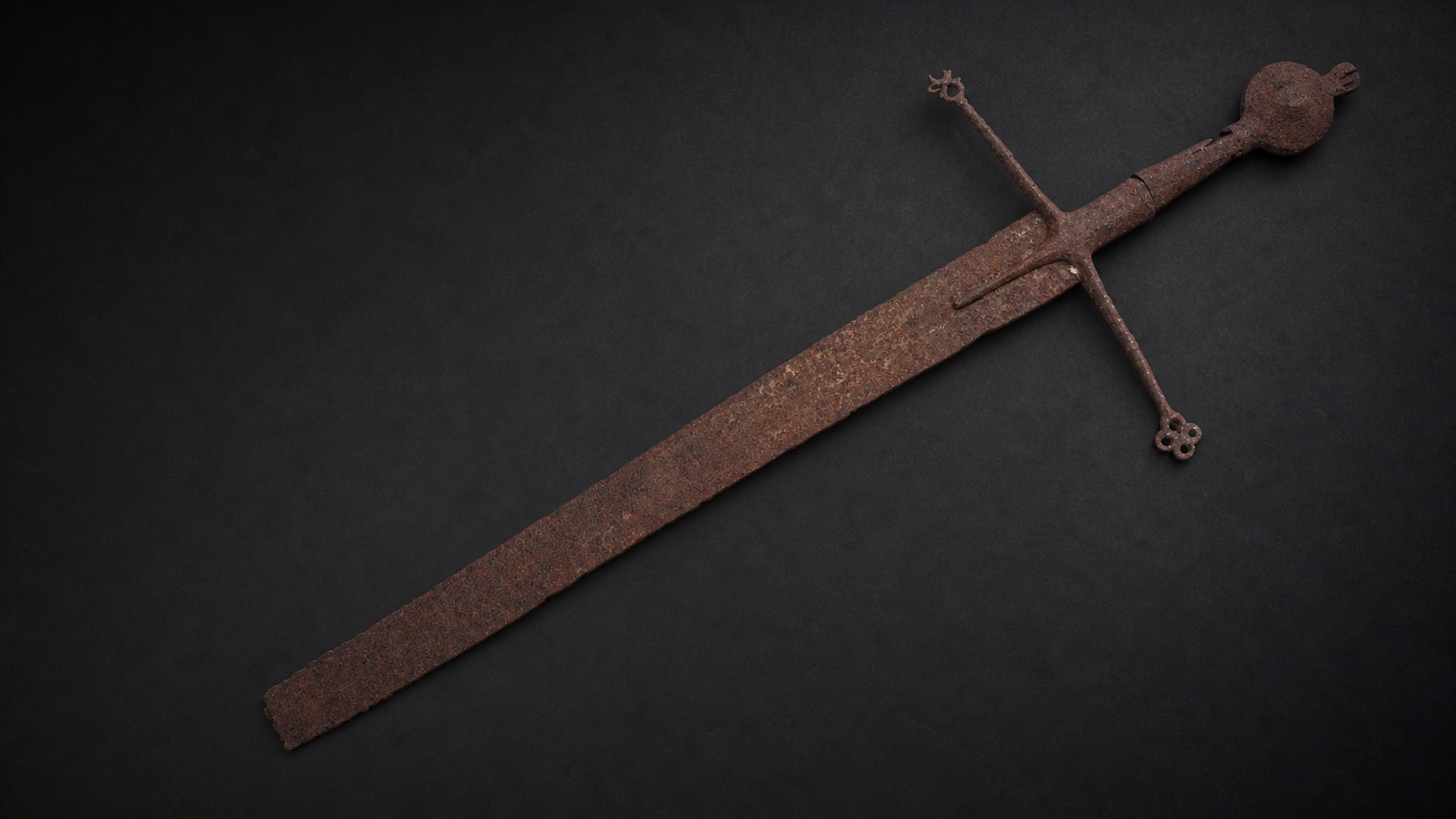
In pitted, rusty condition with the end of the blade missing.
In the world of antiques, authenticity is essential. Before placing a bid, it’s important to examine the item closely, whether it’s during viewing at the auction house or by looking at detailed photographs online. Check carefully for things like hallmarks, signatures and maker’s marks that help verify the authenticity of the antique.
It’s beneficial to look at any documentation that comes with a piece too. This can provide useful information about previous owners and add significant credibility, enhancing a piece’s value. If something about an item's story doesn’t quite add up or the price seems too good to be true, speak to the auction house team. Their expert advice can help seasoned collectors and novices alike, so you can bid with confidence and avoid disappointment.
At an auction, not all of the best finds are headline lots; many will be in categories you might not usually look at. Lesser-known artists, unusual decorative items and period furniture can sometimes be overlooked for trendier or more famous pieces. Yet, they often provide both character and history, and can provide long-term value for open-minded bidders.
Market trends change over time too, and many pieces that were once unknown or unwanted can become highly sought after as tastes evolve. When you keep an open mind and browse catalogues with curiosity, you have a better chance of finding truly unique items, sometimes at much lower prices than mainstream collectors pay. Trusting your instincts and remaining open to new categories can provide exciting opportunities to find hidden gems.

A Rare Late George III Regency Figured Mahogany Circular Dining Table of Large Size Fitted With a Revolving Silver Galleried Lazy Susan Centre by Matthew Boulton
Sold for £19,000
View lot
A Rare E. H. Collier Patent Five-shot Flintlock Revolver, No. 24
Sold price undisclosed
View lotResearch the auction catalogue before the sale, identify respected makers, examine condition reports and look for pieces with strong provenance. Rare antiques are often distinguished by their scarcity, craftsmanship, historical significance and originality rather than simply their age.
Inspect photographs carefully, attend the viewing where possible and look for hallmarks, signatures, maker's marks and evidence of originality. Reputable auction houses also provide condition reports and are happy to answer questions before the auction.
Yes. Anyone can register to bid at auction. Whether you are an experienced collector or bidding for the first time, auctions are open to private buyers, dealers and enthusiasts from around the world.
Yes. Most professional auction houses provide complimentary condition reports upon request, helping buyers understand the condition, restoration, provenance and overall appearance of a lot before bidding.
You can browse our upcoming auctions to view future sales, browse the latest catalogues and register to bid online.
Absolutely. If you have antiques, fine art, jewellery, clocks, furniture or collectables, our specialists can provide a free auction valuation and advise whether your items are suitable for one of our specialist sales.
Prices are influenced by rarity, condition, provenance, maker, historical importance and current collector demand. Pieces with documented histories and exceptional craftsmanship often attract competitive bidding.
Review the catalogue, compare previous auction results, set a maximum budget and request condition reports before the sale. Good preparation helps you bid confidently and avoid surprises.
All in all, whether you’re attending an auction house in Yorkshire for the first time or searching for a rare addition to your collection, hopefully, these tips will help you go into every sale with confidence. An auction isn’t just about bidding; it’s about exploring, learning and uncovering a piece of history.
At Hutchinson Scott, we are proud to be an independent, family-run Yorkshire auction house. We offer a professional service to all customers, whether you’re buying or selling, and we will be happy to answer any questions you may have. To find out more about our upcoming auctions, head to our website today.